
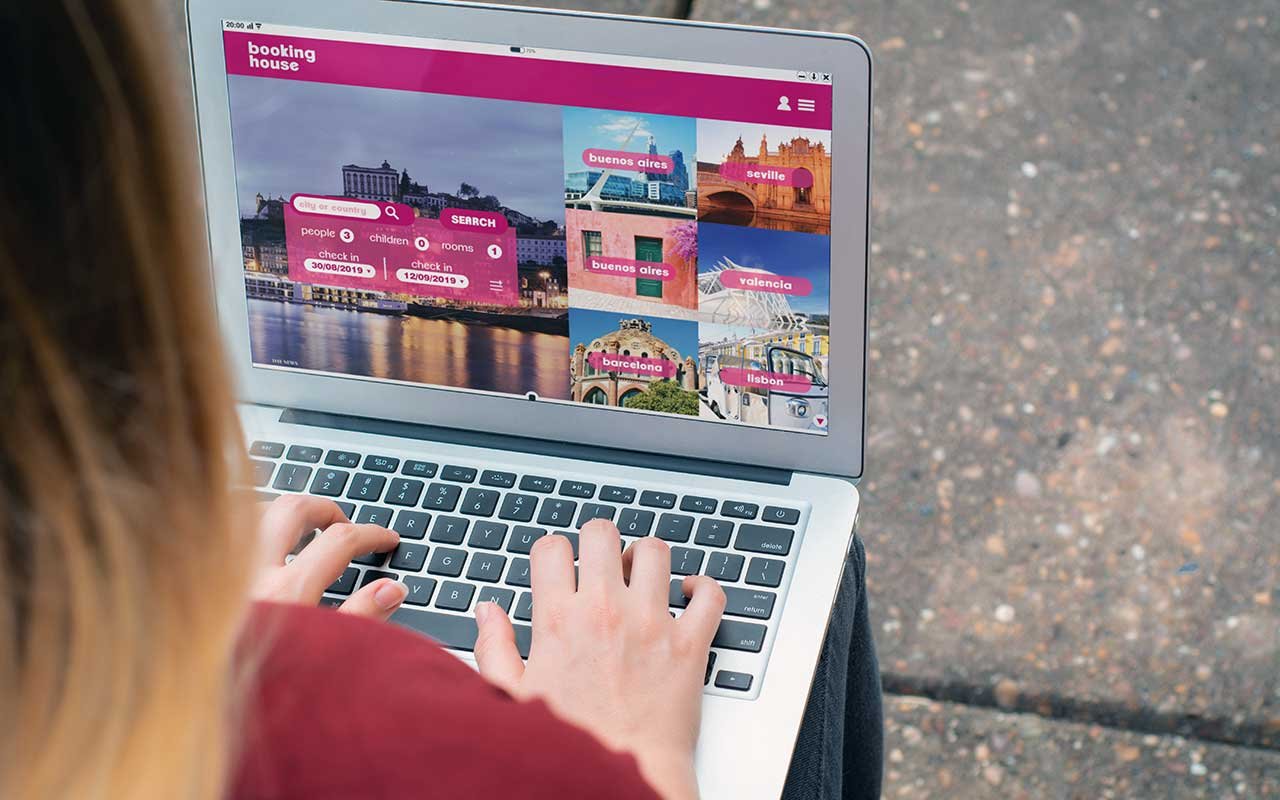
În peisajul digital actual, o site profesional nu este doar un lux, este un bun nenegociabil. Acesta servește ca vitrină 24/7, ca agent principal de vânzări și ca ancoră a credibilității dumneavoastră.
Dar nu este suficient să aveți un site web; acesta trebuie să funcționeze instantaneu. Fereastra pentru a câștiga încrederea este terifiant de mică. Conform cercetărilor publicate în Behaviour & Information Technology, un vizitator are nevoie de doar 0,05 secunde (50 de milisecunde) pentru a-și forma o părere despre site-ul dvs. web, iar 94% din această primă impresie este în întregime legată de design.
Dacă site-ul dvs. pare învechit sau greoi, nu pierdeți doar un clic; semnalați în mod activ potențialilor clienți că afacerea dvs. este în urmă cu vremurile înainte ca aceștia să fi citit un singur cuvânt.
Tabla de conținut
Beneficiile unui site web profesional
Un site web profesional poate oferi o varietate de beneficii pentru afacerea dvs., inclusiv:
Stabilirea credibilității: Un site web bine conceput poate ajuta la stabilirea afacerii dvs. ca o entitate de renume și de încredere. Un site web profesional poate oferi potențialilor clienți încredere în compania dvs. și îi poate face mai dispuși să facă afaceri cu dvs.
Îmbunătățirea implicării clienților: Un site web vă poate ajuta să interacționați cu clienții dvs. și să construiți o relație cu aceștia. Prin furnizarea de conținut valoros, cum ar fi postări pe blog sau informații despre produse, vă puteți educa clienții și îi puteți face să revină pe site-ul dvs.
Stimularea vânzărilor: Un site web profesional poate fi un instrument eficient pentru creșterea vânzărilor. Furnizând o platformă de comerț electronic ușor de utilizat, le puteți facilita clienților achiziționarea produselor sau serviciilor dumneavoastră.
Marketing eficient din punct de vedere al costurilor: Un site web bine realizat poate oferi un raport cost-eficacitate soluție de marketing. Prin crearea de conținut valoros și optimizarea site-ului dvs. pentru motoarele de căutare, vă puteți crește vizibilitatea și puteți atrage mai mulți clienți pe site-ul dvs.
Importanța unui design de calitate
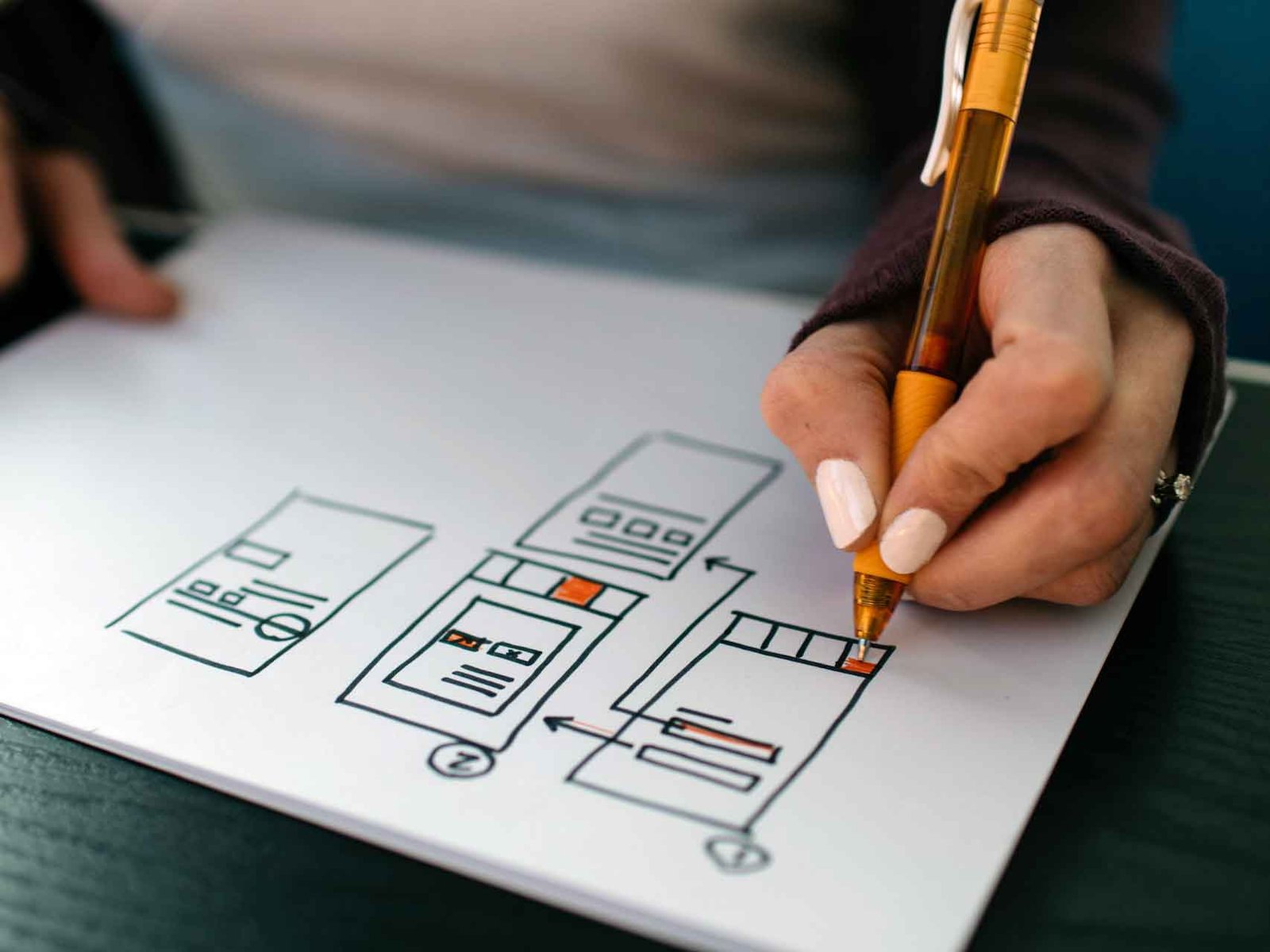
Un site web profesional nu trebuie să fie doar funcțional, ci și atractiv din punct de vedere vizual. Un design web bun pentru comerțul electronic (și designul în general) poate juca un rol crucial în crearea unei experiențe pozitive a utilizatorului și în stabilirea credibilității. Câteva elemente cheie ale unui design bun includ:
Navigație: Un sistem de navigare bine organizat și intuitiv poate face ca vizitatorii să găsească mai ușor ceea ce caută. Dirijarea utilizatorului către conținutul relevant pe care îl caută este o necesitate în zilele noastre, mai ales că 65% din timpul pe care îl petrecem îl petrecem doar pe primele 40% ale paginii.
Branding: Un branding consecvent poate ajuta la stabilirea identității companiei dvs. și la crearea unui sentiment de încredere.
Receptivitate: Un design receptiv este esențial pentru a oferi o experiență de utilizare bună pe toate dispozitivele, inclusiv computere desktop, tablete și smartphone-uri.
Rolul SEO
Optimizarea motorului de căutare (SEO) este procesul de optimizare a site-ului dvs. web pentru a fi mai bine poziționat în rezultatele motoarelor de căutare. Acest lucru poate contribui la creșterea vizibilității și la atragerea unui trafic mai mare către site-ul dvs. Unele elemente cheie ale SEO includ:
Cercetarea cuvintelor cheie: Identificarea cuvintelor-cheie și a frazelor pe care le caută potențialii clienți și includerea acestora în conținutul și metaetichetele site-ului dvs. este un aspect pe care orice agenție de marketing bună îl va avea în vedere. Merită menționat faptul că intenția cuvântului cheie este extrem de importantă și nu orice profesionist și/sau agenție de marketing va avea acest lucru în minte atunci când își creează strategia de marketing și “planul de acțiune”.
Conținut de calitate: Crearea de conținut valoros și informativ care oferă valoare vizitatorilor și este optimizat pentru motoarele de căutare. Optați întotdeauna pentru calitate în detrimentul cantității. Algoritmul Google adoră un articol bine scris pentru utilizator, în locul unuia lung, cu cuvinte cheie, care a fost creat doar în scopul SEO. Vă rugăm să vă asigurați că conținutul paginii de produs, al articolului de blog sau al paginii de servicii a fost creat cu gândul la utilizatorul final.
Link building: Crearea de backlink-uri către site-ul dvs. vă poate ajuta să vă creșteți vizibilitatea și să vă îmbunătățiți clasamentul în motoarele de căutare. Cu toate acestea, avertismentul aici este să fiți atenți la tacticile pe care le utilizați pentru a obține aceste backlink-uri. Vă recomandăm să aveți o strategie și un buget adecvat pentru acest tip de acțiune, nu să vă riscați plătind un așa-numit “guru” care vă poate oferi link-uri pentru 50 de lire sterline pe un site despre care știe că are DR de 60.
Sfat profesional: Utilizați "Testul celor 5 secunde": arătați pagina dvs. de pornire unui necunoscut timp de cinci secunde, apoi ascundeți-o. Dacă nu-și poate da seama imediat cine sunteți, ce vindeți și cum să cumpere, designul dvs. a eșuat. În economia atenției, confuzia este ucigașul final al conversiei - dacă un utilizator trebuie să se gândească pentru a înțelege oferta dumneavoastră, deja l-ați pierdut.
Importanța întreținerii periodice
Un site web profesional necesită întreținere periodică pentru a se asigura că rămâne funcțional și actualizat. Aceasta include:
Actualizarea conținutului: Mențineți conținutul site-ului dvs. proaspăt și relevant prin actualizarea periodică a acestuia. Majoritatea întreprinderilor cred că, odată ce ați scris descrierea paginii sau articolul de pe blog, totul este gata. Nu este cazul, este foarte recomandat să le revizuiți la fiecare două luni, pentru a vă asigura că sunt încă relevante și poate că au nevoie de câteva ajustări: trebuie să răspundeți la noi întrebări.
Securitate: Actualizați în mod regulat software-ul de securitate al site-ului dvs. web pentru a-l proteja împotriva tentativelor de hacking. Din experiența noastră, am văzut destul de multe întreprinderi care și-au pierdut principalul activ digital din cauza hackerilor sau a spamului cu link-uri, ceea ce a dus la o reducere masivă a numărului de clienți potențiali și/sau a veniturilor peste noapte.
Analiză: Utilizați analiza site-urilor web pentru a urmări performanța site-ului dvs. și pentru a identifica domeniile care necesită îmbunătățiri. Cea mai bună abordare a analizei este să vă asigurați întotdeauna că vă revizuiți configurația de urmărire și obiectivele la fiecare sfârșit de an. Pe măsură ce afacerea evoluează, cerințele dvs. de analiză ar trebui să se schimbe și să fie actualizate în mod regulat - informația este putere.
Cele mai frecvente întrebări
De ce este important un site web profesional?
Un site web profesional este important deoarece ajută la stabilirea credibilității, îmbunătățește implicarea clienților, stimulează vânzările și oferă o soluție de marketing rentabilă. De asemenea, acesta servește drept primul punct de contact între o afacere și potențialii clienți, făcând o primă impresie bună este esențială.
Un site web profesional, bine conceput, poate ajuta la stabilirea afacerii ca o entitate de renume și de încredere, poate creșterea vizibilității și să atragă mai mulți clienți, poate oferi o platformă pentru comerțul electronic și poate fi o soluție de marketing rentabilă.
Un site web profesional trebuie să aibă un design bun, o navigare ușoară, un branding coerent și să fie optimizat pentru motoarele de căutare. Și, cel mai important, trebuie să își îndeplinească scopul, acela de a oferi răspunsuri relevante și utile publicului țintă.
Cât de des ar trebui să-mi actualizez site-ul?
Frecvența actualizărilor va depinde de natura activității dvs. și de tipul de conținut de pe site-ul dvs. În general, se recomandă actualizarea periodică a conținutului site-ului dvs. web pentru a-l menține proaspăt și relevant pentru vizitatori, iar o regulă generală este că un rebranding ar trebui să aibă loc la fiecare 3-4 ani (pe măsură ce apar noi caracteristici și tehnologii care pot îmbunătăți experiența utilizatorilor cu marca dvs.).
În plus, ar trebui, de asemenea, să actualizați software-ul de securitate al site-ului dvs. și să monitorizați analizele în mod regulat pentru a asigura performanța acestuia. De asemenea, este o practică bună să aveți un program regulat pentru actualizări, de exemplu, o dată pe lună sau pe trimestru, pentru a vă asigura că site-ul dvs. rămâne actualizat și funcționează fără probleme.
Cum poate un site web profesional să contribuie la creșterea vânzărilor?
Un site web profesional poate contribui la creșterea vânzărilor prin furnizarea unei platforme de comerț electronic ușor de utilizat. Astfel, clienților le este mai ușor să achiziționeze produsele sau serviciile dvs. și le permite să facă acest lucru în orice moment. În plus, un site web vă permite să ajungeți la un public mai larg, dincolo de zona dvs. locală, ceea ce poate contribui la creșterea potențialului dvs. de vânzări.
Cum contribuie un design receptiv la asigurarea unei experiențe pozitive a utilizatorului?
Un design receptiv asigură că site-ul dvs. arată și funcționează optim pe toate dispozitivele, inclusiv pe computerele desktop, tablete și smartphone-uri.
Având în vedere că din ce în ce mai multe persoane accesează site-uri web de pe dispozitive mobile, un design receptiv este esențial pentru a oferi o experiență pozitivă utilizatorului. Acesta permite utilizatorilor să navigheze cu ușurință și să acceseze informațiile de care au nevoie, indiferent de dispozitivul pe care îl utilizează.
Și, ca întotdeauna, dacă aveți probleme sau întrebări, vă rugăm să nu ezitați să contactați-ne. Suntem mai mult decât bucuroși să vă ajutăm și să vă oferim sfatul nostru.